While the allure of finding a single item that guarantees risk-free profit is highly common among players, the reality is that the OSRS economy thrives on constant fluctuation, driven heavily by game updates, weekly player habits, and the mandatory Grand Exchange tax system. By shifting your focus away from chasing unstable hype and instead building a structured approach around S-tier high-volume consumables, strategic high-alchemy price floors, or patient high-margin gear rotations, you transform market volatility into a reliable source of money making. This guide will break down the Flipping Rules, and The Best Items To Flip from Arcane Sigil, Armadyl Chestplate, to Bow of Faerdhinen (Inactive).
Flipping Rules

To be highly successful at flipping in Old School RuneScape, you must treat the Grand Exchange like a real financial market. Relying on luck will eventually cause you to lose your cash stack.
The Rule of The 2% Grand Exchange Tax
- The Law: The Grand Exchange takes a 2% tax on the total sold price of any item, capped at a maximum fee of 5,000,000 GP per item.
- The Execution: You must never enter a flip unless the profit margin is significantly wider than 2%.
- Example: If you buy an item for 100,000 GP and want to sell it for 101,000 GP, your revenue is 101,000 GP. The 2% tax on the sale is 2,020 GP. Your net return is 98,980 GP—meaning you actually lost 1020 GP despite selling it for more than you bought it.
Respect The GE Buy Limits
Every item in OSRS has a hidden 4-hour buy limit to prevent market monopoly. You can only buy a specific quantity every 4 hours.
- High Volume Limits: Items like standard runes usually have a limit of 20,000 to 50,000 units every 4 hours.
- Gear Limits: High-end weapons and armor usually have a limit of 4 to 8 units every 4 hours.
- The Rule: Do not leave your cash stack trapped trying to buy more items than the limit allows. If the limit for an item is 10,000, do not type 50,000 in the quantity box, or 80% of your money will sit uselessly in the GE slot for hours.
The Best Items To Flip
These items represent some of the highest-performing mid-to-high tier items on the Grand Exchange. Their high value triggers the 5M GP tax cap, meaning any price difference beyond 5 million GP translates to pure, uncapped profit.
Arcane Sigil

Dropped by the Corporeal Beast, this sigil is required to create the Arcane Spirit Shield and the Elidinis’ Ward (or). Because Corporeal Beast drops are rare and the process of attaching it requires high smithing and prayer levels, the sigil acts as a heavy speculative asset. This low daily volume combined with steady PvM demand keeps margins loose and highly exploitable.
Armadyl Chestplate

Despite Masori Armor being superior, the Armadyl Chestplate remains highly active because it must be broken down into Armadylean Plate to fortify Masori Armor. It acts as both a piece of usable mid-tier gear and a mandatory consumable for high-tier upgrades. This double-utility ensures a massive daily trade volume and rapid buy/sell turnarounds.
Inquisitor’s Mace

This crush weapon from The Nightmare of Ashihama suffers from highly volatile pricing. The Nightmare is not heavily farmed by the general player base, meaning supply is tight. When a new boss weak to crush is announced or released, this item violently spikes. On normal days, patient overnight “lowball” buy orders will frequently hit during player dumps.
Venator Ring
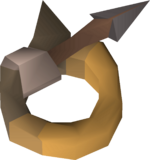
Dropped by The Leviathan (Desert Treasure II), this is the best-in-slot Ranged ring. Its daily volume is incredibly healthy for a multi-million GP ring because players constantly buy it for slayer tasks and multi-target farming. It experiences clear “weekend rush” price patterns—dropping mid-week and spiking on Fridays and Saturdays.
Torva Platebody
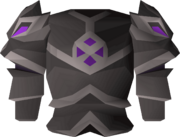
As the best-in-slot melee armor body from Nex, the Torva Platebody requires an immense upfront cash stack to use, making it heavily traded by wealthy flippers. It responds instantly to minor game updates and patch notes. If a new piece of content requires high physical defense, this item reacts aggressively, allowing for quick daytime swing flips.
Ancestral Robe Bottom

This is the best-in-slot magic legs item from Chambers of Xeric. Unlike common supplies, its high price tag acts as a barrier to entry, meaning fewer casual players are competing with your orders. Its price tracks closely with the popularity of raids like Tombs of Amascut, giving you highly predictable daytime cycles to trade within.
Soulreaper axe

Created by combining four untradeable pieces from the four Desert Treasure II bosses, it has a complex supply chain. It is a highly specialized weapon with a niche mechanic. Because it has been historically tweaked by Jagex via balance updates, it is a favorite playground for speculative investors, leading to enormous bid-ask spreads.
Bow of Faerdhinen (Inactive)

This item is unique because players must buy it in its inactive state before corrupting or charging it with crystal shards. It is the most popular mid-to-high tier weapon in the entire game for ironmen and main accounts alike. Because it trades so rapidly, you can easily pull off multiple active “daytime flips” within a single 4-hour buy-limit window.
Flipping Tools You Need
Use the official live pricing site prices.runescape.wiki. It updates every 60 seconds with exact player transactions, showing you visual graphs of daily valleys and peaks. or GE Tracker, locate the average lowest price filled in the last 1-2 hours, and place your buy order 10,000 GP above that minimum floor.
Final Thoughts
Successful flipping is not about predicting the future, but about mitigating risk and exploiting predictable player behaviors. Rich players will always pay a premium to get their PvM supplies instantly, lazy crafters will always dump their training products below cost for fast liquidity, and the weekly gaming cycle will consistently cause prices to breathe up and down like clockwork.