
Step through the cavernous archway connecting the deserts of Ro to the plains, and you will immediately hear the deafening chatter of Norrathian commerce. Navigating the East Commonlands Tunnel Trading on Project 1999 is an essential rite of passage for every Classic EverQuest player. Long before modernized auction house interfaces simplified digital trade, players gathered in this torchlit cavern to shout their wares, strike deals, and build incredible fortunes from scratch.
Whether you are a fresh adventurer trying to scrape together platinum for spells or an established veteran looking to flip raid gear, master trading in the tunnel requires patience and strategy. Understanding how this player driven market operates transforms the game entirely, turning surplus drops into serious wealth.
Decoding the Language of the East Commonlands Tunnel

To succeed as a trader, you must first master the localized auction shorthand. The main chat box moves at breakneck speeds during peak server hours, making conciseness critical for any advertisement.
The standard trade vocabulary relies on classic abbreviations: WTS (Want to Sell), WTB (Want to Buy), and WTT (Want to Trade). When assessing potential gear, players frequently broadcast PC (Price Check) or offer items as MQ (Multi-Quest, allowing fractional quest piece turn-ins). Keeping your auction lines clean, spaced, and easy to read ensures prospective buyers do not scroll past your offers in the chaos.
Equally important is staying mindful of auction timers. Server etiquette and rules dictate that you should limit your macro broadcasts to avoid spamming chat channels. A clean macro posted every few minutes attracts far more respectful trade whispers than an unreadable wall of text.
Identifying High Demand Items and Spotting Trends


Building consistent wealth in the East Commonlands begins with recognizing which items command steady liquidity. Consumables, leveling gear, and universally wearable stat rings consistently trade faster than niche class armor.
High turnover staples include platinum fire wedding rings, 55hp rings, crushed gems, and spell research components. Mid tier items like the Journeyman’s Boots, Silversilk Leggings, and Black Chitin Leggings maintain predictable price floors. Meanwhile, top tier chase items such as the Fungus Covered Scale Tunic or Cloak of Flames fluctuate based on server progression and high end liquidity.
To avoid overpaying, utilize external community resources like the Project 1999 Auction price tracker. These real time logs provide rolling 30-day medians and historical trends, helping you identify whether an item is currently trading at a premium or dropping in value.
EverQuest Negotiation
Direct player to player interaction is the lifeblood of classic Norrath. Unlike automated marketplaces, every single transaction in the tunnel is open to negotiation, meaning your interpersonal communication directly impacts your profit margins.
Always maintain polite, professional etiquette in direct messages. When messaging a seller, avoid opening with insultingly low offers; instead, offer a respectful counter proposal close to their asking price, or ask if they have flexibility. If you are buying multiple pieces from a single adventurer, propose a bundle discount that frees up their inventory in exchange for a slightly reduced bulk price.
Furthermore, cash on hand provides enormous leverage. Sellers often accept lower bids if you can complete the trade immediately on the spot, sparing them hours of sitting afk on a torch ledge waiting for a full price buyer.
Building Capital from Zero
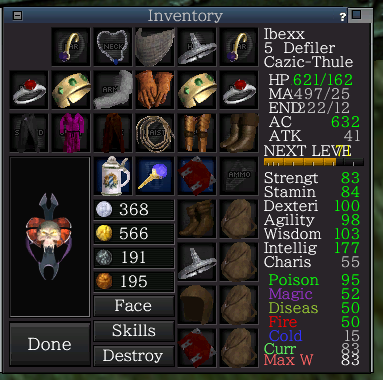
You do not need hundreds of platinum pieces to establish yourself in the marketplace. Starting with zero capital is entirely manageable if you target low level gathering staples that high level players are too busy to farm.
Harvesting Gateway Commodities
Begin by gathering high volume trade skill items. High quality bear pelts,  bone chips,
 fire beetle eyes, and
 spiderling silk are perpetually in demand by power levelers and crafters. Stacking these materials in your bank allows you to sell in bulk quantities, yielding reliable seed money for early spell purchases and entry level gear.
Arbitrage and Inventory Flipping
Once you amass a reserve of around 500 to 1,000 platinum, transition into active flipping. Search for impatient sellers broadcasting firesales or dumping gear below market rate to quickly liquidate their bags. Purchase these undervalued assets, park your character by the central tunnel wall, and patiently re-list them at their true market value.
Final Thoughts
Consistency and discipline will always outpace risky speculation in Norrath’s open bazaar. By monitoring auction feeds, recognizing genuine price anomalies, and treating trading partners with respect, your small coin pouch will steadily transform into a personal treasury capable of funding any adventure across Antonica and beyond.