
Stepping foot into Azeroth for the first time is an unforgettable journey, but reality quickly hits when you look down at an empty coin pouch and cannot even afford spell ranks. Learning actionable WoW Classic gold making tips during your very first hour of gameplay is crucial to funding essential consumables, skills upgrades, and secure your coveted level 40 mount on time. Without a plan, you will inevitably end up on foot while your guildmates sprint ahead on horseback.
The classic gold making can feel brutally unforgiving to newcomers accustomed to modern quality of life conveniences. Fortunately, building wealth in Vanilla Azeroth does not require spending endless hours in monotonous grinds. By cultivating smart spending habits, leveraging secondary characters, and optimizing your professions, you can steadily fill your bags with gold without derailing your leveling journey.
Beginner Gold Making Tips
Double Down on Dual Gathering Professions


When you start a fresh character, resist the urge to immediately pick up production trades like Blacksmithing, Tailoring, or Engineering. These crafting professions are massive gold sinks that devour valuable raw materials and vendor bought reagents, offering very little financial return until maximum level. Instead, the most reliable- gold farming strategy for beginners is to select two gathering professions right away.
Mining paired with Herbalism or Skinning creates a steady stream of passive income as you complete quests. Skinning is particularly lucrative because beasts are the most common mob type throughout lower level zones such as Elwynn Forest, Durotar, and the Barrens. You can skin nearly every beast you kill for quest objectives and vendor the hides directly or save heavy leather for trade chat buyers.
Herbalism and Mining provide substantial windfalls because raiders and crafters constantly need low to mid tier materials. Herbs like  Swiftthistle,
 Briarthorn, and
 Grave Moss command premium prices on the Auction House for PvP consumables and resistance potions. Selling these natural resources provides the reliable liquid capital every newcomer needs during the early push toward level 40.
Park a Dedicated Bank Alt in a Capital City
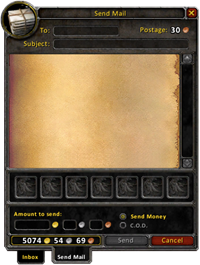
Bag space and time are your two most valuable assets while leveling across sprawling continents. Spending twenty minutes traveling back to Ironforge or Orgrimmar just to list a handful of linen cloth or uncommon items on the Auction House ruins your leveling efficiency. Creating a level 1 bank alt solves this logistical bottleneck immediately.
Run your secondary character to the nearest faction capital, bind their hearthstone at the city inn, and position them steps away from the mailbox and Auction House. Whenever your main character’s inventory fills up with raw materials, trade goods, or bind on equip (BoE) green gear, visit any local quest hub mailbox and send it all to your alt. Your main character stays in the combat zone gaining experience while your alt handles the commerce.
Furthermore, storing bulky items in your alt’s bank frees you from buying expensive bank slots on your primary adventurer. You can also monitor fluctuating market prices on your alt between dungeons, relisting goods when supply dips and prices peak. This simple organization habit pays dividends that last throughout your entire World of Warcraft career.
Audit Your Class Spell Training Costs

One of the biggest financial traps that drains novice players of their hard earned silver is blindly training every new skill rank at the class trainer every two levels. Class abilities grow exponentially more expensive as you progress, and purchasing unnecessary abilities will leave you bankrupt before you ever hit level 30.
Take time to research your class’s optimal leveling rotation and prioritize purchasing only the core combat abilities that directly increase your kill speed or survival. For instance, a leveling Frost Mage relies heavily on  Frostbolt,
 Frost Nova, and
 Blizzard, meaning you can comfortably skip expensive updates to
 Fireball,
 Flamestrike, or situational curses until endgame. Similarly, Warriors rarely need every rank of
 Rend or shield abilities while leveling with a two handed weapon.
Carefully budgeting your class training leaves dozens of gold coins in your reserve fund. Always ask yourself whether a spell upgrade genuinely shaves seconds off combat or provides critical defense before spending your silver. Discipline at the trainer directly translates to having your mount the moment you reach level 40.
Invest in Bag Space and Never Leave Vendor Trash Behind

While spending silver on bigger bags might feel counterintuitive when trying to save money, bag space is an investment that pays for itself ten times over. Upgrading from starting 6-slot pouches to 8-slot and 10-slot containers ensures you never have to destroy or ignore vendor trash items to make room for quest rewards.
Grey quality weapons, heavy armors, and dense animal parts contribute a staggering portion of your total liquid net worth. A single gray two handed hammer dropped by an elite mob in a dungeon can vendor for upwards of 50 silver, which is massive during leveling. If your bags are tiny, you are forced to discard these valuable junk items, effectively throwing away raw currency
Maximizing Inventory Turnover

Make it a rule to empty your bags at vendors every single time you turn in quests or restock food and water. Carry at least two spare empty bags in your inventory so you can swap out smaller sacks as better ones drop from mobs. The more junk you can haul out of monster encampments and dungeons, the faster your copper stacks into solid gold
Target Lucrative Humanoid and Beast Grinding Zones

Questing is the standard path to level 60, but sprinkling in focused grinding sessions against specific mob types can dramatically boost your wallet. Humanoid Mobs are arguably the most profitable targets in WoW Classic because they drop raw coins, healing potions, and essential cloth weaves required by tailors and first aid users.
Farming Defias bandits in Elwynn Forest or Syndicate Watchmen operatives in Hillsbrad Foothills yields Red Linen Bandana, Wool, and Silk Cloth. These fabrics always sell swiftly on the Auction House because players leveling their First Aid or Tailoring Professions buy them in massive bulk. Humanoids also possess a higher chance to drop bind on equip green and blue weapons, which command high prices from leveling alts.
If you have Skinning, targeting dense packs of beasts in zones like Elwynn Forest or Dun Morogh for the Alliance, and Durotar or Mulgore for the Horde offers double the revenue per kill. You loot raw silver and vendor items from the corpse, then skin the beast for leather that adds an extra income layer. Combining efficient combat pacing with high value mob packs turns routine leveling hours into profitable farming windows.
Utilize Essential Auction House and Vendor Addons

Navigating the standard Vanilla interface can be clunky, making it easy to accidentally underprice rare items or sell goods to vendors for far less than their market value. Installing lightweight, community trusted addons transforms your interface and equips you with vital financial intelligence.
Addons such as Auctionator or Aux streamline the process of buying, selling, and scanning the market for current price trends. Instead of manually dragging items and typing bids, these tools let you post stacks of materials with automated undercut calculations in just a few clicks. They prevent you from accidentally selling valuable BoE items or rare crafting recipes for vendor prices.
Additionally, install an addon that reveals vendor sell values directly on item tooltips, such as VendorPrice. When your bags are full and you must choose which item to discard for a rare drop, knowing the exact copper and silver value of everything in your bags ensures you always sacrifice the least valuable item.
Final Thoughts
Amassing wealth in classic Azeroth is rarely about discovering a secret jackpot; it is about developing steady, efficient habits and avoiding reckless expenditures. Every saved silver coin at the trainer, every hide stripped from a beast, and every cloth stack funneled through your bank alt compounds over time. Keep your bags spacious, lean into raw material gathering, and use basic addons to track the true value of your loot. By staying patient and applying these fundamental strategies with every level you gain, that milestone 100 gold for your mount will be waiting comfortably in your pouch the moment you hit level 40.